
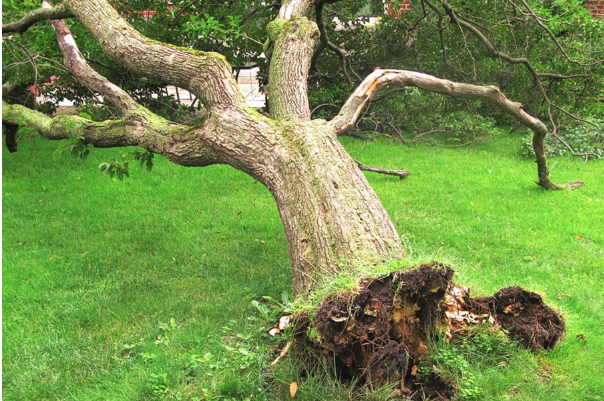
Strong winds, heavy rain, and severe storms are common across Sydney, particularly during storm season. When a tree falls on your property, it can be stressful and potentially dangerous. Beyond visible damage, fallen trees often create hidden safety, electrical, and legal risks that need to be handled carefully.
Knowing what to do after a tree falls on your property in Sydney can help you protect your family, minimise further damage, and avoid costly mistakes. This guide walks you through the correct steps to take, from immediate safety measures to clean-up and prevention.
Stay Calm and Put Safety First
The first priority after a tree falls is safety. Fallen trees can be unstable, even if they appear settled on the ground. Branches may be under tension, trunks can shift unexpectedly, and nearby structures may be compromised.
Before doing anything else:
- Keep people and pets away from the area
- Avoid walking near or under fallen branches
- Stay alert for electrical hazards
If there are injuries or immediate dangers, contact emergency services straight away.
Immediate Safety Steps After a Tree Falls
Once you have ensured everyone is safe, take the following precautions:
- Do not touch or approach trees near powerlines
- Treat all downed lines as live and dangerous
- Avoid standing on the fallen tree or cutting branches
- Prevent access to the area using barriers if possible
Fallen trees can move or roll without warning, especially if the ground is wet or sloped.
Assess the Situation From a Safe Distance
From a safe position, visually assess the damage without intervening.
Look for:
- Damage to your home, fencing, sheds, or vehicles
- Blocked driveways, access paths, or footpaths
- Branches still suspended or leaning against structures
- Signs the tree may shift or collapse further
It is also important to note whether the tree originated from your property or a neighbouring property, as this can affect insurance and liability considerations later.
Why You Should Never Attempt DIY Tree Removal
It can be tempting to clear a fallen tree yourself, especially if it appears manageable. However, DIY tree removal after a storm is extremely risky.
Reasons to avoid DIY removal include:
- Hidden tension in branches that can snap violently
- Risk of chainsaw injuries without proper training
- Trees shifting suddenly during cutting
- Increased liability if further damage occurs
In many cases, insurers and councils expect fallen trees to be handled by qualified professionals due to the risks involved.
When You Need Emergency Tree Removal
Some situations require urgent professional assistance because they pose an immediate safety risk.
These include:
- Trees resting on roofs, walls, or vehicles
- Fallen trees blocking access points or public areas
- Trees tangled in or close to powerlines
- Large trees that may continue to collapse
In these cases, homeowners often rely on Emergency Tree Removal Sydney services to safely remove hazards and stabilise the area before further damage occurs.
Documenting Damage for Insurance and Records
Before any major work begins, document the situation thoroughly.
Recommended steps include:
- Taking clear photos and videos from multiple angles
- Recording the date, time, and storm conditions
- Capturing damage to structures, landscaping, and fencing
This documentation can be essential for insurance claims, council communication, and resolving disputes if neighbouring properties are involved.
Insurance and Liability in Sydney
Insurance coverage for fallen trees can vary depending on your policy and the circumstances.
Key points to understand:
- Structural damage is usually covered by home insurance
- Debris removal alone may not be covered
- If a neighbour’s tree falls onto your property, liability often depends on whether the risk was known and addressed
- Delaying action after a known hazard may affect claims
If you are unsure, it is best to contact your insurer early and provide documentation.
Council Rules and Fallen Trees in Sydney
Sydney councils regulate tree removal through Tree Preservation Orders, but emergency situations are treated differently.
Important considerations:
- Emergency removal is generally allowed if a tree poses immediate danger
- Councils may still require notification after emergency work
- Trees on public land are usually the council’s responsibility
- Professional documentation helps demonstrate that removal was necessary
Always prioritise safety, but keep records in case council follow-up is required.
What Happens After the Tree Is Removed
Once the fallen tree has been safely removed, further steps are often needed to restore the area.
These may include:
- Clearing remaining debris and branches
- Assessing soil stability
- Inspecting nearby trees for storm damage
- Preparing the site for repairs or landscaping
Ignoring post-removal issues can lead to future safety or maintenance problems.
Why Stump Removal Matters After a Fallen Tree
After a tree is removed, the remaining stump can still create hazards.
Tree stumps can:
- Create trip risks
- Attract termites and other pests
- Encourage regrowth
- Interfere with landscaping or drainage
For these reasons, many Sydney homeowners choose Stump Grinding Sydney services after a tree falls to fully remove the stump and restore the area safely.
Preventing Future Tree Falls on Your Property
While storms cannot be prevented, the risk of fallen trees can be reduced through proactive care.
Helpful prevention measures include:
- Regular professional tree inspections
- Removing dead or weakened branches early
- Addressing leaning or overgrown trees
- Monitoring soil erosion and drainage issues
- Preparing trees before storm season
Ongoing maintenance plays a key role in reducing emergency situations during severe weather.
Final Thoughts: Acting Quickly Makes a Difference
A fallen tree can be more than an inconvenience. It can create serious safety risks, insurance complications, and long-term property damage if not handled correctly.
For Sydney homeowners, acting promptly, prioritising safety, and seeking professional help when needed can significantly reduce stress and prevent further issues. When in doubt, it is always safer to address the risk early rather than wait for conditions to worsen.
Frequently Asked Questions
Who is responsible if a neighbour’s tree falls on my property?
Responsibility depends on whether the risk was known and whether reasonable steps were taken to address it.
Should I contact my insurer before tree removal?
If it is safe to do so, documenting the damage and notifying your insurer early is recommended.
Can I remove a fallen tree without council approval in Sydney?
Emergency removal is usually allowed when safety is at risk, but councils may require notification afterward.
How quickly should a fallen tree be dealt with?
Trees that pose safety risks should be addressed as soon as possible to prevent further damage or injury.

20 comments
diflucan over the counter uk
diflucan over the counter uk
doxycycline hyclate 100 mg capsule
doxycycline hyclate 100 mg capsule
lasix water pill generic
lasix water pill generic
voriconazole coupon
voriconazole coupon
omeprazole vs prilosec
omeprazole vs prilosec
orlistat and statins
orlistat and statins
ozempic lawsuit update
ozempic lawsuit update
doxycycline 100mg price philippines generic
doxycycline 100mg price philippines generic
acyclovir 5 cream 5gr
acyclovir 5 cream 5gr
bupropion xl 150 uses
bupropion xl 150 uses
terbinafine mechanism scientific explanation
terbinafine mechanism scientific explanation
toradol for moderate pain
toradol for moderate pain
ivermectin demodex medical evidence
ivermectin demodex medical evidence
minoxidil user help
minoxidil user help
minoxidil onset overview
minoxidil onset overview
minoxidil women’s treatment reference
minoxidil women’s treatment reference
sildenafil seasonal price changes
sildenafil seasonal price changes
avanafil medical restriction notes
avanafil medical restriction notes
vardenafil 5 mg dose insights
vardenafil 5 mg dose insights
bronchitis mucus production
bronchitis mucus production
Comments are closed.