
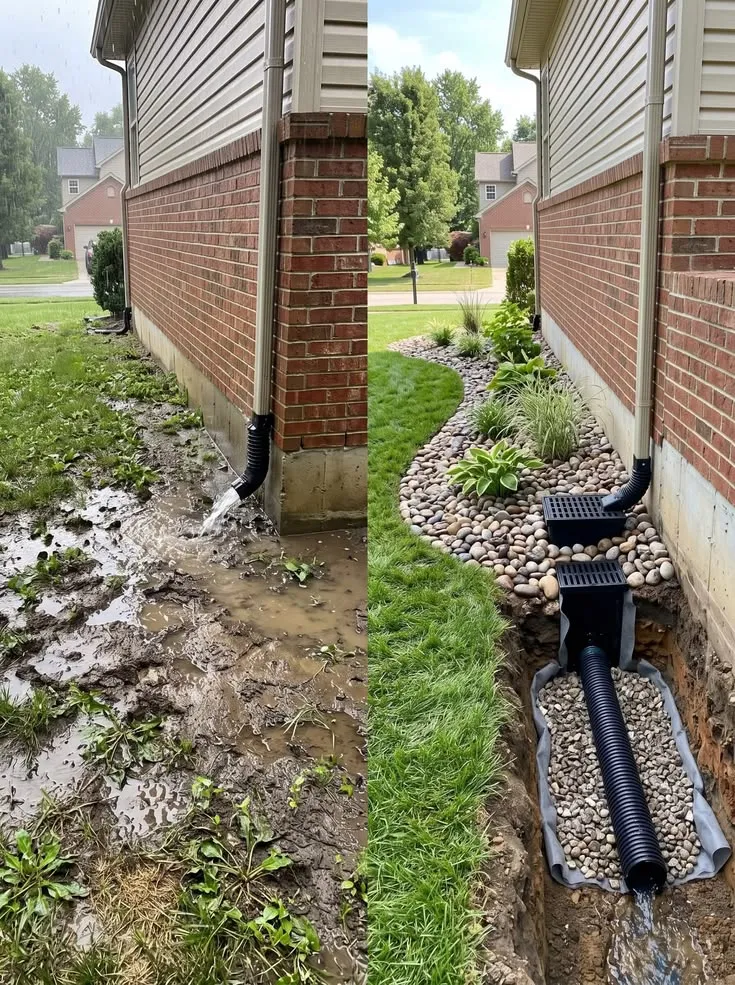
A passing storm can expose problems that remain invisible throughout dry weather. Water gathers near foundations, mulch washes across paths and portions of a lawn remain muddy long after the sky clears. These conditions may suggest that runoff is not leaving the property effectively. Professional landscape drainage solutions can help address recurring trouble, but identifying the source of the water is essential. Homeowners benefit from observing their yards carefully before choosing drains, trenches or changes to the shape of the ground.
Follow the Water During a Storm
The best clues often appear while rain is falling. Watch where downspouts discharge, which paved areas shed water and whether runoff crosses neighboring land. Photograph puddles from safe locations and note how long they remain after rainfall stops. Repeated observations reveal patterns that a dry-weather visit might miss.
Different symptoms may point to different causes. Surface water flowing downhill is not the same problem as persistent dampness rising from saturated soil. Identifying whether runoff, poor infiltration or a blocked outlet is involved helps guide further assessment and prevents installing a solution in the wrong place.
Understand the Site’s Existing Shape
A landscape is influenced by elevations that may not be immediately obvious. Slight low spots collect water, while patios and driveways change the direction of runoff. Clay-rich soils found in parts of Georgia may absorb water more slowly when already wet, increasing the likelihood of temporary surface pooling.
New construction, added retaining walls or expanded paving can alter drainage paths established years earlier. Before making changes, consider property boundaries and the location of existing utilities. Moving water away from one area is not a success if it creates damage somewhere else on the same site.
Match Drainage Methods to the Problem
French drains can intercept certain subsurface flows, while catch basins are commonly used to collect water accumulating at the surface. A dry creek bed may guide visible runoff while complementing landscape design. None of these features is universally appropriate; each depends on slope, soil and an acceptable discharge location.
Downspout extensions may help where roof water is discharged too close to a foundation. More complicated situations can require a coordinated system that handles several sources. A contractor should explain how water enters the proposed system, where it travels and what maintenance will be necessary afterward.
Know When Reshaping the Ground Helps
Some problems begin with the yard’s grade rather than the absence of a pipe. Professional land grading services may help redirect suitable surface runoff by adjusting elevations. Work near buildings should respect foundation conditions, drainage requirements, established trees and nearby structures rather than simply pushing soil toward the lowest visible point.
Before approving excavation, discuss the following checks. These questions help ensure that grading decisions address the whole property:
-
Direction of water during heavy rainfall.
-
Existing underground lines and utility locations.
-
Safe discharge points and property boundaries.
-
Protection for trees, paths and planting beds.
-
Access needed for equipment and future repairs.
Protect Planting Beds and Outdoor Areas
Excess runoff can carry away mulch, erode soil around plants and deposit sediment on paved paths. Repeated saturation can also reduce oxygen available to plant roots. Drainage planning should therefore include gardens and outdoor sitting areas, not only the sections of lawn where obvious puddles appear.
A thoughtfully positioned collection point or controlled runoff channel can limit damage, provided it suits the site’s conditions. Plant selection may also matter in areas that regularly stay moist. However, water-tolerant landscaping should not be treated as a substitute for correcting harmful drainage against buildings.
Maintain the System After Installation
Drainage features are not entirely maintenance-free. Leaves and sediment may block grates, and debris can reduce the capacity of exposed channels. Check accessible inlets before major rainy periods and inspect the yard after heavy storms for new erosion, unusual pooling or displaced material.
If water continues entering a building or new cracks and settlement appear, seek a suitable professional assessment promptly. Keep records of where issues recur and what repairs were completed. Regular observation can reveal changes caused by landscaping work, blocked components or shifting site conditions before the problem becomes expensive.
Conclusion
Stormwater management works best when decisions follow the actual movement of water through a property. Identifying runoff sources, choosing an appropriate drainage method and protecting established landscape features can reduce repeated erosion and standing water. Ongoing inspections are still important after improvements are installed. Homeowners in Cobb County, Kennesaw, Acworth and surrounding North Atlanta communities can review drainage and grading services through russolandscapes.com when planning a site-specific response to wet-weather problems.
