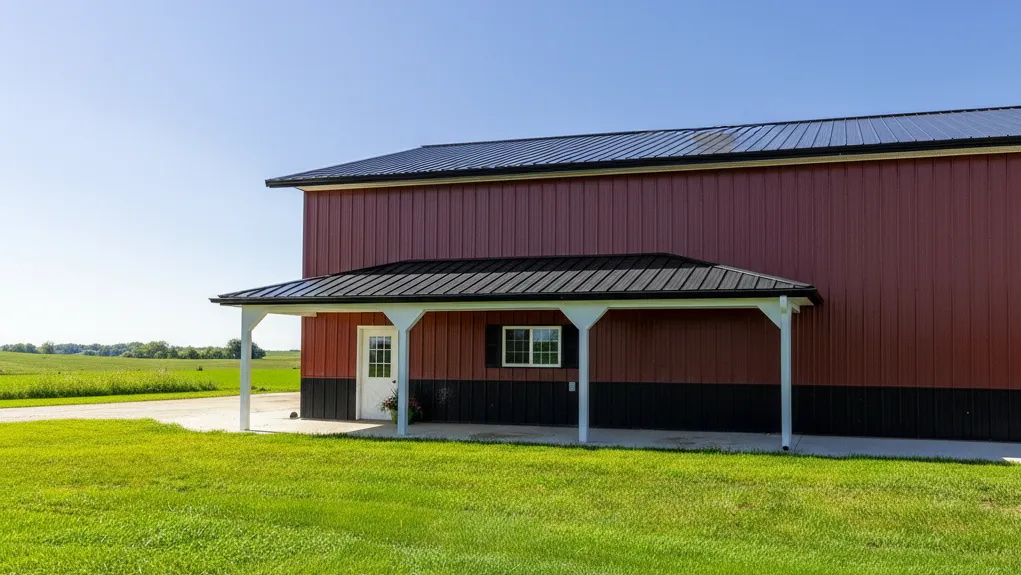
As urban areas in Canada become increasingly crowded, homeowners are looking for innovative ways to increase their living space without having to move. One compelling option is converting your garage into a living area. Before jumping into this renovation, however, it’s important to weigh the pros and cons, understand the process, and perhaps seek the expertise of Canada’s best building contractors.
The Benefits of a Garage Conversion
Transforming your garage into a usable living space can significantly enhance the functionality of your home. Here are some major advantages:
Increased Living Space
A garage conversion adds square footage to your home without the expense of building an entirely new addition. This conversion can turn an underutilized space into a guest suite, office, gym, or an additional bedroom, aligning perfectly with your family’s needs.
Boosted Property Value
A well-executed garage conversion can significantly increase the resale value of your home. If done properly, with attention to high-quality finishes and attention to detail, the transition can offer a strong return on investment.
Energy Efficiency
When converting a garage into a living space, there’s a significant opportunity to improve your home’s energy efficiency. Modern insulation, windows, and doors will not only make your new space comfortable but also reduce energy bills in the long run.
Budget-Friendly
Compared to constructing an entirely new addition to your home, a garage conversion is often more cost-effective. The structure is already in place, potentially lowering renovation costs compared to new builds, whether it’s a garage or even a barn building in Ontario.
Considerations Before Converting Your Garage
While the benefits are inviting, there are critical factors to consider before embarking on a garage conversion:
Local Building Codes and Zoning Laws
Different regions and cities in Canada have their own building codes and zoning laws that dictate whether garages can be converted into living spaces. It’s crucial to consult with professionals who have experience navigating these requirements to ensure your project is legally compliant.
Parking Needs
If your garage serves as the primary parking area for vehicles, converting it might not align with your needs. Consider how the lack of sheltered parking will impact your family’s lifestyle and whether additional space is worth the potential inconvenience.
Potential Structural Modifications
Depending on the age and condition of your existing garage, significant renovations may be necessary, including strengthening foundations, upgrading utilities, and ensuring proper ventilation. Consulting with Canada’s best steel building contractors can help you understand the structural requirements and potential costs.
The Process of Garage Conversion
Transforming a garage involves several concrete steps to ensure a seamless transition to a living space.
Planning and Design
The first step is creating a detailed plan. Consult an architect or a designer to blueprint the conversion, ensuring it addresses your spatial needs while remaining compliant with building codes.
Building Permits
Securing the appropriate permits is crucial. Submit your detailed designs to the local municipal building department for approval. It’s advisable to anticipate certain revisions based on their feedback.
Hiring Contractors
Given the specialized nature of garage conversions, it’s important to hire experienced contractors. Engage professionals who understand the nuances of Canadian building codes and climate needs. This is where selecting from Canada’s best steel building contractors can make all the difference in ensuring your project runs smoothly.
Construction Phase
This phase involves the physical transformation of the garage. Expect tasks such as reinforcing floors, adding drywall, installing electrical systems, and upgrading ventilation. Be prepared for possible challenges and delays, as with any major construction project.
Final Inspections
Once construction is complete, a final inspection is essential to ensure the new living space meets local standards and safety regulations. This step is non-negotiable when it comes to not only functional and safety requirements but also future real estate transactions.
Cost Considerations
Garage conversions offer numerous financial benefits, yet initial investments greatly vary. The total cost can depend on the size of the garage, the extent of upgrades, and the quality of materials used.
Budgeting for Features
Key budget items include insulation, HVAC installations, plumbing (if converting into a bathroom or kitchen), and cosmetic finishes. Be sure to also set aside a contingency fund to cover unexpected expenses that may arise during the conversion.
Options for Financing
Consider financing options such as home improvement loans, lines of credit, or even Government of Canada incentives for energy-efficient improvements, which can alleviate some of the upfront financial burden.
Conclusion
Converting a garage into a living space is a decision that combines practicality with opportunity. It can prove to be an excellent investment, not just in terms of financial returns but also in enhancing your home’s livability. Whether it’s an elegant guest suite or a robust home office, the possibilities are extensive. However, understanding the complete picture—from zoning laws and structural requirements to realistic budgeting—is imperative.
By collaborating with seasoned professionals like Canada’s best steel building contractors, you can enjoy peace of mind knowing that your renovation project is in capable hands. Proper execution of such a conversion not only enriches your home but also provides a valuable edge in the dynamic Canadian real estate market.
Remember, whether you’re living in a bustling city or a tranquil rural area where options for a barn building in Ontario are available—spending the time to convert your garage correctly can provide significant long-term benefits.